The Worst Chairs Tell the Best Stories
Sometimes, it’s in the smallest, most uncomfortable places - the worn chairs, the hay bales, the dog food bags - where the richest stories are told.

Dear Reader,
I’ve always noticed the little moments, or I wouldn’t remember them. It’s only recently that I’ve begun to realize how much they mean: the laughter shared over a meal, a quick chat in the store, a nod from a neighbor. In Caswell County, these ordinary moments quietly shape the people and communities around us.
Whether you’ve lived here for decades or just arrived, I hope these stories make Caswell feel a little more like home.
Happy Reading!
Stokes
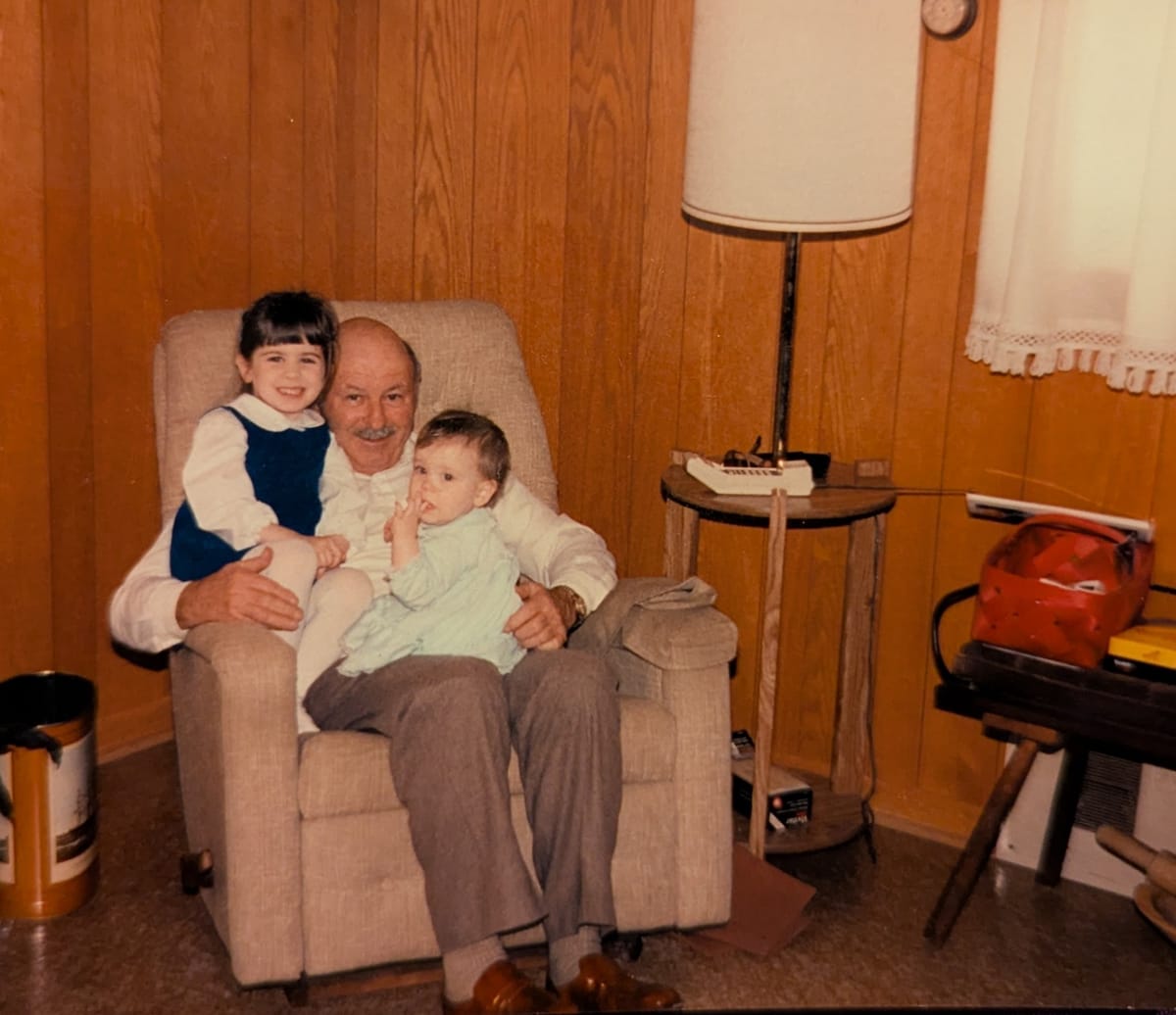
Growing up, I thought my Papa was the coolest cat. He chewed Big Red, spent all day on a golf cart, and told ridiculously tall tales. He had a quiet sense of humor that could make anyone smile. As a kid, I spent all the time I could with him, which meant learning to play golf and tagging along with him to Billy Willis’s store.
Willis’s Store wasn’t just a place to buy an RC Cola and a pack of peanuts. It was, and still is, a special place. A place where neighbors come to see neighbors, hear the latest news before it shows up anywhere in print, and swap stories to feel more connected. Before the internet became a fixture in everyday life, general stores like this weren’t just spots to pick up bread and milk: they were community hubs where people caught up on small-town life.
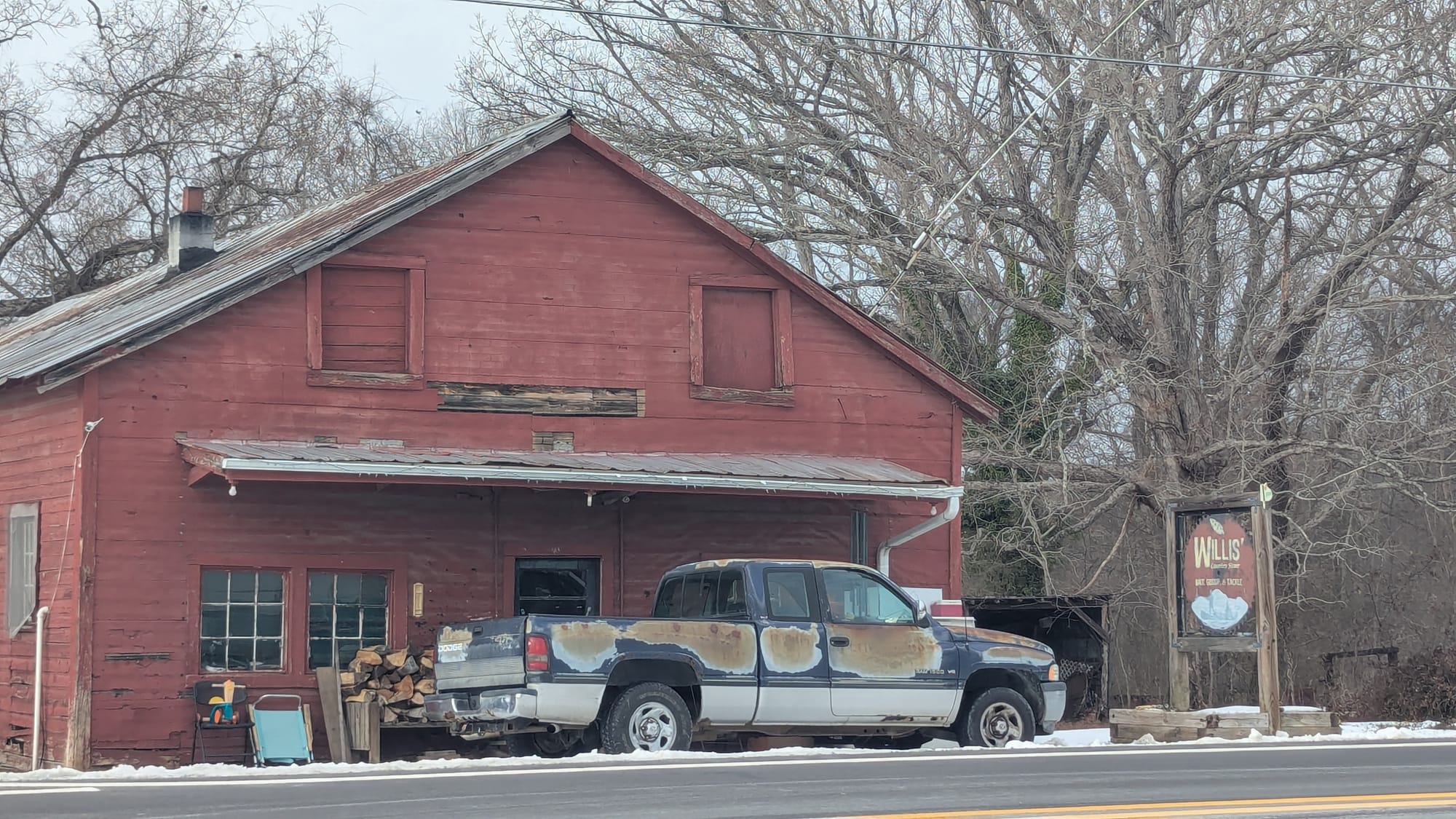
I’d park myself on the bags of dog food stacked up in the middle of the store - not the most comfortable chair you can imagine - while the menfolk sat on old car seats, gossiping. “Who got a new truck, and why didn’t they get a Ram?” “I heard Bobby’s daughter asked for prayers for her loose tooth at church!” “The Smiths sold their farm last week.” Some of it was trivial, some scandalous, and some pure curiosity. But all of it wove together a community, like invisible threads tying each other together.
Football would be playing on the television. I hated football, still do (give me a hockey game any day), but that didn’t matter. I was there for my Papa. And there was a music to that country store: the roar of laughter when someone cracked what was likely an inappropriate joke, the shuffle and creak of heavy boots across the worn wooden floor, the chime of the old cash register. Walking into Willis’s Store felt like a step back into a slower, quieter way of life.
There was something special about those ordinary moments that made them extraordinary.
I like to talk. We can call it storytelling or connecting, but I like to talk. But at Willis’s Store, I listened. I observed. This was back in the late 1900’s when children were still expected to be seen more than heard. I didn’t abide by that much, even then, but I cherished my time with my granddad. I learned to watch and listen, to soak in the rhythm of life around me. I didn’t care about the football on the television, but I did care about the stories being told, the laughter being shared, and the way people connected.
The gossip, in all of its triviality and drama, was part of something bigger. It taught me that even the smallest stories carry weight. They shape how we see our neighbors, our town, and ourselves. Looking back now, thirty years later, I see that those ordinary moments were anything but. They were extraordinary in their own quiet way. It all added up to something bigger than a country store or a conversation. It was a lesson in belonging, in noticing, and in understanding that home isn’t just the house you live in. It’s the community and the people who inhabit it with you, the rhythms you move through together, and the stories that linger long after the moment has passed and the people are gone.
El Vernon died in 1999, when I was still a kid, and for a long time, I didn’t realize how much of him lived in those small moments we shared. Watching the way he enjoyed life and the way that he noticed the world - those were the lessons he left behind.
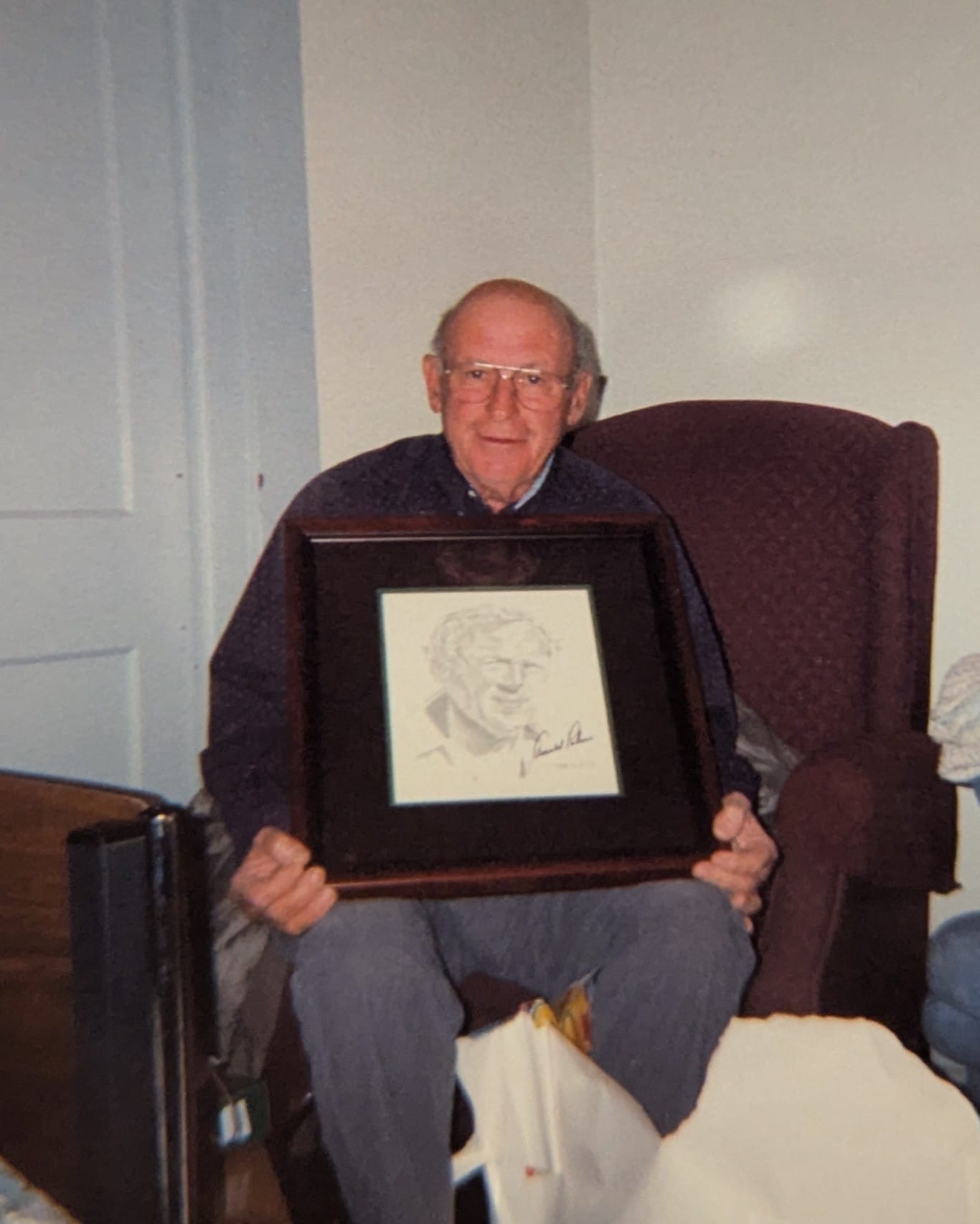
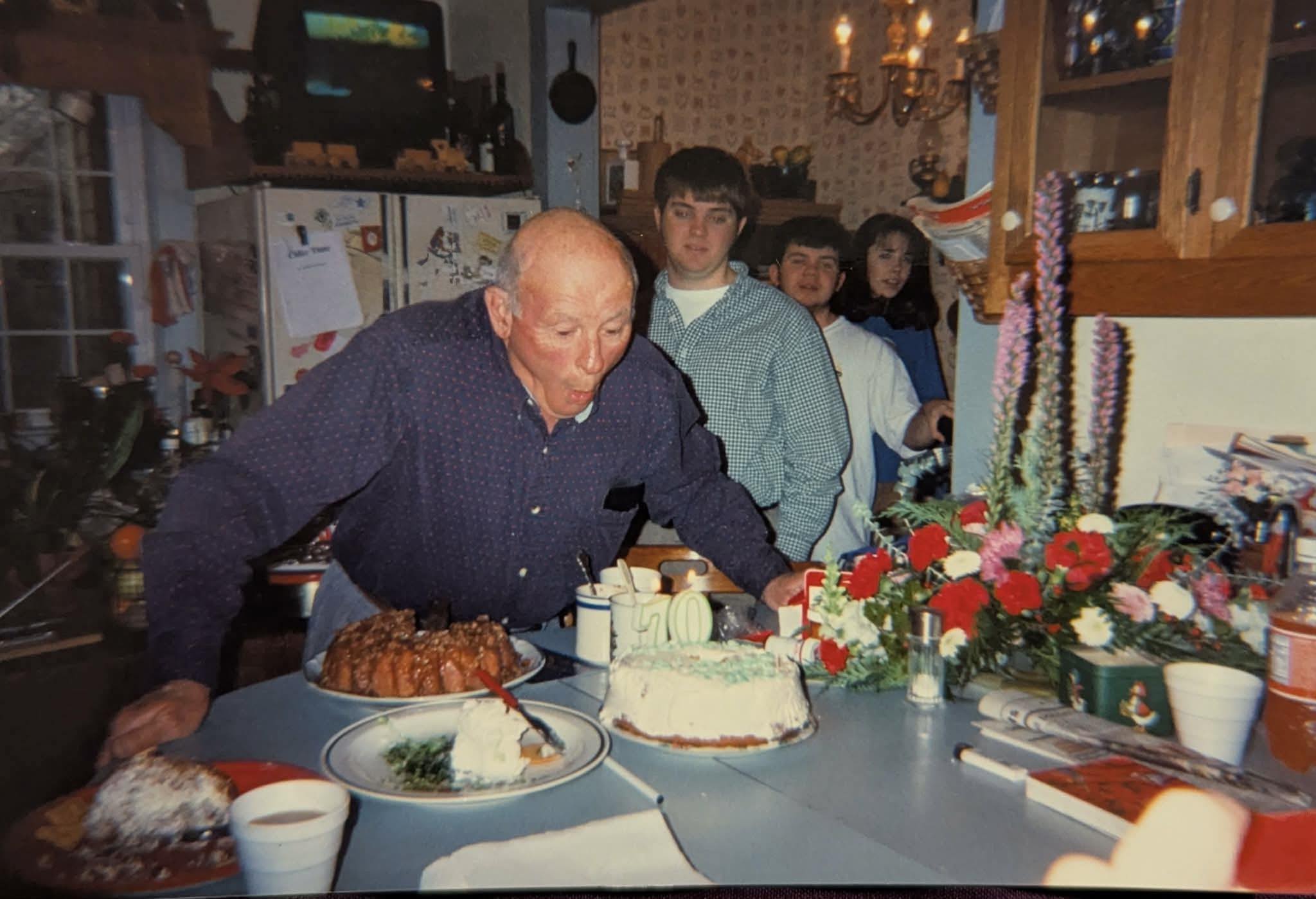
Some of the menfolk he used to hang out with are still around, and I see them from time to time. Billy, who still owns the store, comes to the Semora Ruritan breakfast nearly every month. It’s impossible not to think of Papa when he’s there, joking and telling stories like he’s been doing for decades. Times change, people move on, but their stories linger. They live in the quiet moment of a hectic morning, in a joke that makes you grin unexpectedly, in the way neighbors nod hello and share a moment of connection.
Those ordinary moments, so easy to overlook, are the ones that shape who we are, who we become, and the communities we build. And sometimes, it’s in the smallest, most uncomfortable places - the worn chairs, the hay bales, the dog food bags - where the richest stories are told. Those stories remind us that home isn’t just a building or an address. It’s the people we move through life with, the laughter and the lessons we share, and the echoes of the moments that, long after we leave, keep shaping us.
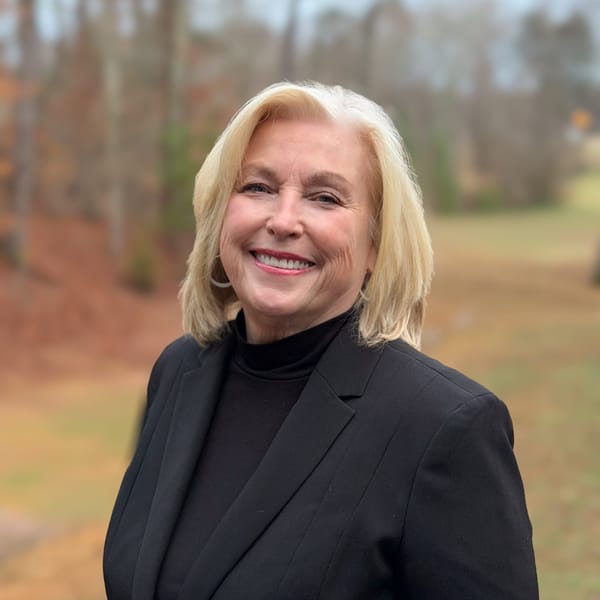
Stokes Reagan grew up in, and still lives in, rural North Carolina. She writes from Milton, where much of life still happens face-to-face, and spends her time building community: through the Semora Ruritans, the North Caswell Community Council, and wherever people come together.