Caswell County Voter Guide 2026 - Local Offices
Hear directly from your local candidates, in their own words.

Caswell County voters are facing some big decisions this fall in the general election, including the selection of a Sheriff, a Clerk of Superior Court, and two County Commissioners.
On August 17, candidates running for local office (with the exception of Soil and Water Conservation District Supervisors) were invited to complete a questionnaire to help residents learn more about them and their qualifications, why they have chosen to run for public office, and the action they intend to take if elected.
Candidates were also asked to confirm what contact information should be shared and whether or not they would be available to speak with residents at the September 19 Bright Leaf Hoedown.
Candidates were advised that questions were intentionally broad in nature to allow each of them the space to speak to what they believe is most important and to address, clarify, or respond to any other questions or concerns they are hearing from community members. Candidates were asked to include sources and given a deadline of September 7. All local candidates confirmed receipt of the invitation. Unfortunately, two chose not to respond.
What follows is a brief description of each local office with links to each candidate's responses. Candidates for each race are listed in the order in which they appear on the sample ballot.
You will also find important dates and linked information from the North Carolina State Board of Elections (NCBE), along with a link to NCBE's Judicial Voter Guide for the 2026 General Election.
Caswell News & Notes has established the following guidelines for election season:
- All candidates are invited to post their free public meet and greet events in the Community Calendar by submitting those events HERE.
- Letters to the Editor endorsing candidates will be accepted until October 19 (for publication October 22.) Please note that letters attacking candidates will not be published.
- All candidates are invited to submit a letter to serve as a final call to action for voters by October 26 (for publication October 29.) Please note that letters attacking candidates will not be published.
- All candidates are invited to submit a note of thanks to voters after the election.
Caswell County Sheriff
The North Carolina Constitution requires every county to elect a sheriff every four years. The sheriff is responsible for the administration and execution of criminal and civil justice and acts as detention officer. The sheriff is also responsible for the courts of the State, acting as their bailiff and marshal.
 Community Voice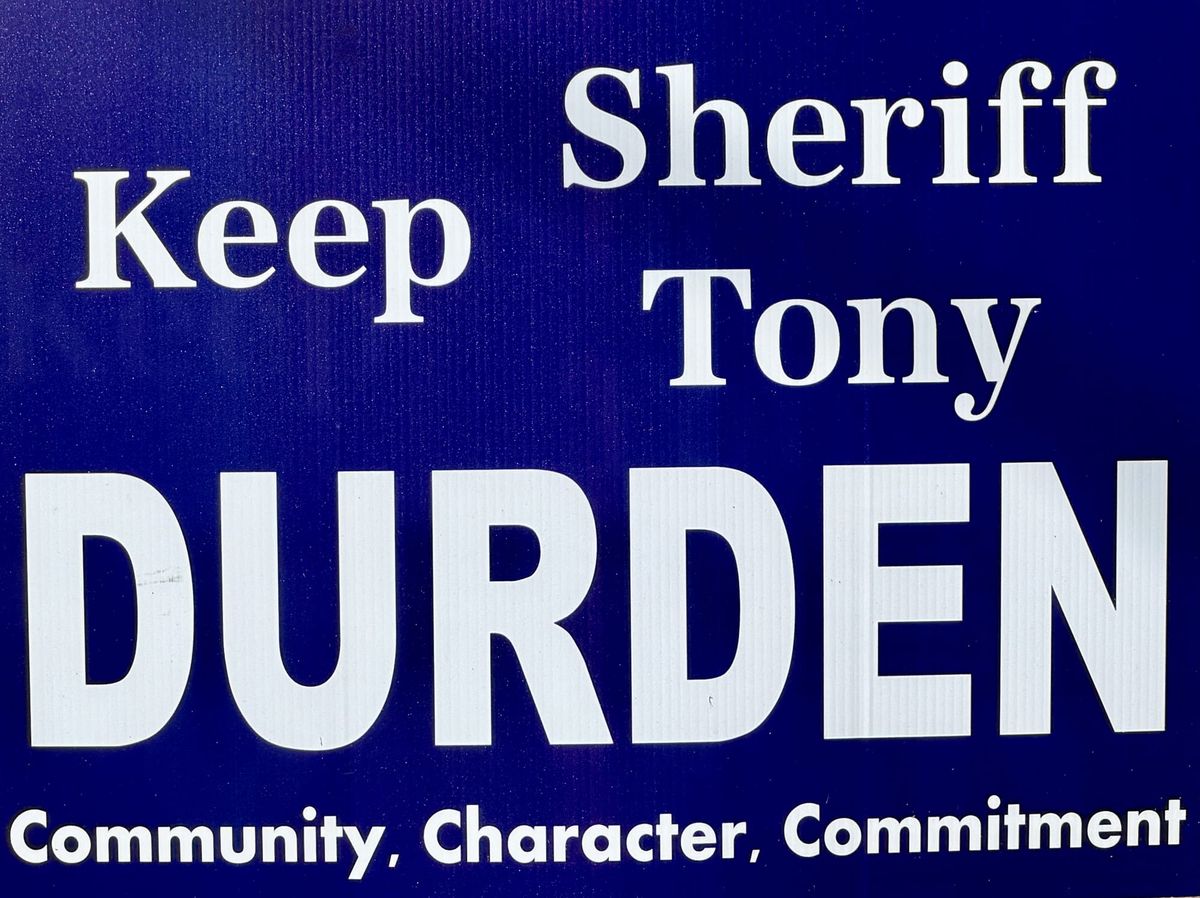
 Community Voice
Clerk of Superior Court
The clerk of superior court is elected in all 100 counties in a partisan election to a four-year term.
The North Carolina Judicial Branch describes the clerk's responsibilities as follows:
- All clerical and record-keeping functions of the superior court and district court
- Keeps those records according to rules established by the N.C. Administrative Office of the Courts
- Collects money due to the State or on behalf of parties involved in cases before the courts
- Judge of probate – handles the probate of wills (proceedings to determine if a paper writing is a valid will) and the administration of estates of the deceased, minors, and people who are incompetent
- Hears other special proceedings such as adoptions, determinations of guardianship for incompetent adults, and partitions of land
- Handles the administration of trusts
- In criminal matters
- Issues arrest and search warrants
- Conducts initial appearance hearings for criminal defendants
- Exercises the same powers as a magistrate when taking waivers of trial and pleas of guilty to minor littering, traffic, wildlife, boating, marine fisheries, alcoholic beverage, state park recreation, and worthless check offenses
Learn more in the Clerk of Superior Court Brochure.
 Community Voice
 Community Voice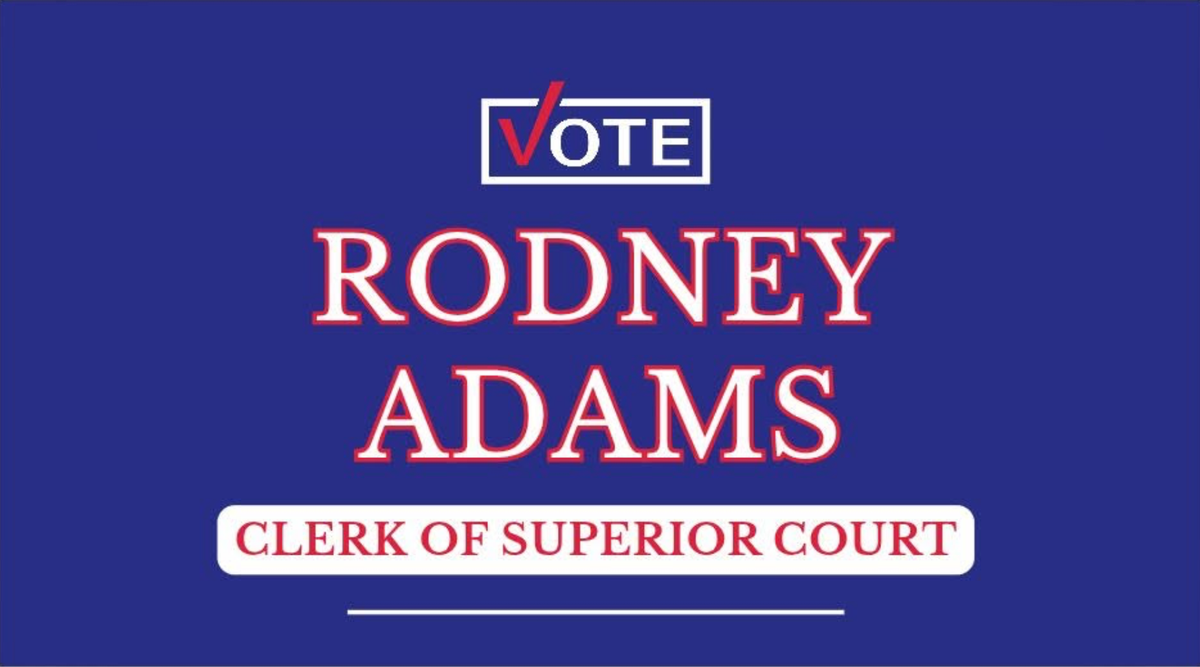
County Commissioners
A North Carolina county commissioner serves as an elected member of the county's governing body.
Key responsibilities include:
- Budget and Finance - Approve the annual county budget, set property tax values, and manage county funds.
- Policy and Ordinances - Pass local laws, rules, and regulations (ordinances) to protect the health, safety, and welfare of residents.
- Appointments - Appoint key county officials, including the county manager, county attorney, tax supervisor, and members of local public health and social services boards.
- Infrastructure and Services - Oversee public facilities, fund local K-12 public school construction and maintenance, and support human services departments.
Caswell County Commissioner, At-Large
Unexpired term ending 2028
Randy D. Simmons (R) - Mr. Simmons did not submit a response to the questionnaire.
 Community Voice
Caswell County Commissioner, District 2
 Community Voice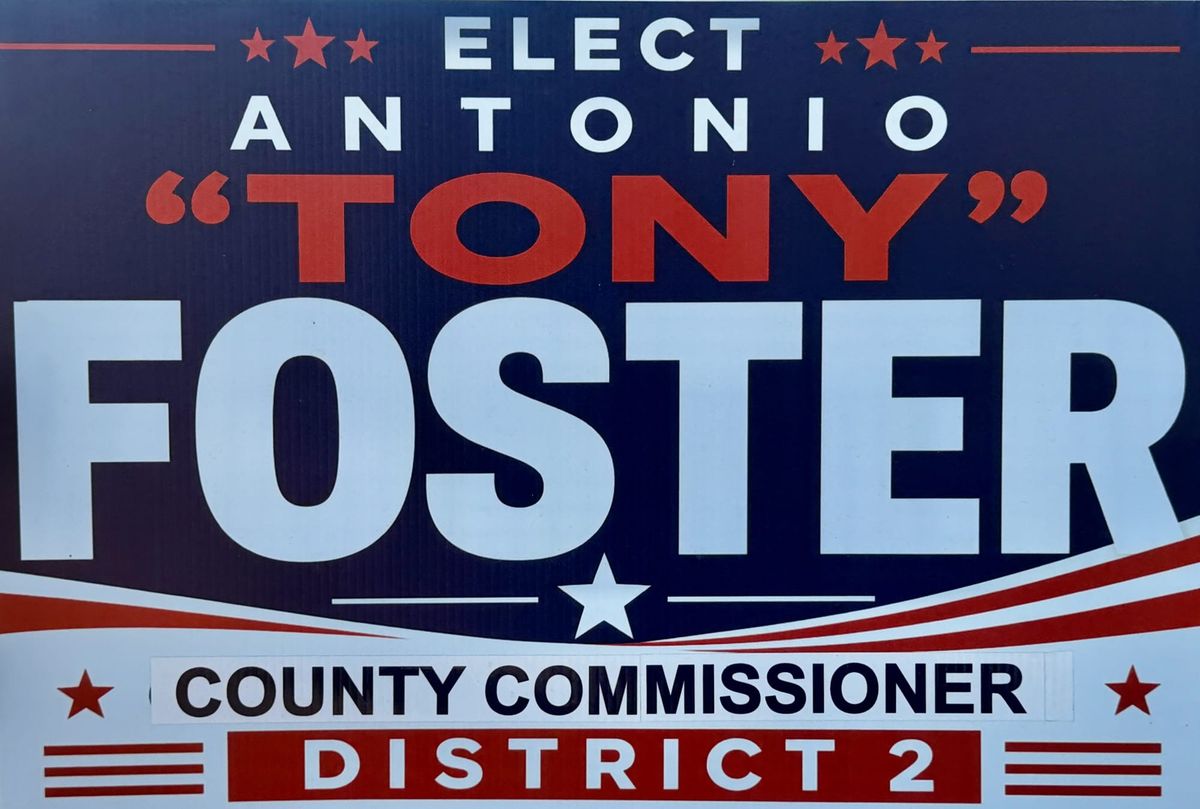
Finch Holt (R) - Mr. Holt did not submit a response to the questionnaire.
*Voters will also be asked to decide if they wish to reelect Joan C. Slade and Lynn W. Massey as Caswell County Soil and Water Conservation District Supervisors, but that office is not included in this guide.
The Caswell County Board of Elections is responsible for conducting all elections held in Caswell County and locally administering State election laws. For more information and a helpful list of links, visit the Caswell County Board of Elections ONLINE.
The following information is provided by the NC State Board of Elections.
Important Dates
- Oct. 9: Voter registration deadline 5pm. For more, see How to Register or Updating Registration.
- Oct. 15: In-person early voting begins; same-day registration available. For more, see Vote Early in Person.
- Oct. 20: Absentee ballot request deadline 5pm.
- Oct. 31: In-person early voting ends 3pm.
- Nov. 3: Election Day. For more, see Vote in Person on Election Day.
- Nov. 3: Absentee ballot return deadline 7:30pm.
Important Tips for Voters
- Need to register or update your registration? See How to Register or Updating Registration.
- Check your registration: Voters can check to make sure their registration information is accurate and up to date using the Voter Search tool. There, you can also find your polling place, party affiliation, absentee ballot information, and more.
- Find your sample ballot: All eligible, registered voters will find their sample ballot(s) in the “Your Sample Ballot” section of their Voter Search profile when sample ballots become available.
- Don’t forget your photo ID: North Carolina voters will be asked to show photo ID when they check in to vote. Learn more: Voter ID.
- Three ways to vote: Follow the links below to learn about the voting methods available to all NC voters.
- Vote Early in Person. For in-person early voting locations and schedules in your county, see the Early Voting Site Search. Also see Early Voting Sites for the November 3, 2026 Election (PDF).
- Vote in Person on Election Day (Nov. 3). Polls are open from 6:30 am to 7:30 pm. Voters who vote on Election Day must go to their assigned polling place. Find your polling place in the Voter Search tool and navigate to "Your Voting Locations."
- Vote By Mail. Any North Carolina registered voter may request, receive, and vote a mail-in absentee ballot for the 2026 elections. No excuse is needed.
- Same-Day Registration
- To register using same-day registration, an individual must meet all eligibility requirements. For voter qualifications, visit Who Can Register.
- Voters registering during the early voting period must have resided in the county where they are registering for at least 30 days prior to Election Day. Find details about early voting at Vote Early in Person.
Judicial Voter Guide
To learn about the 2026 candidates for North Carolina Supreme Court and North Carolina Court of Appeals, see Judicial Voter Guide: 2026 General Election.